In this article, you’ll learn what SEO Difficulty (SD) is, how it’s calculated, and how to use it to guide your keyword strategy.
SEO Difficulty is a key metric that helps digital marketers assess how challenging it is to rank for a specific keyword on search engines. It measures the level of competition for a keyword and helps you understand the effort required to outrank the existing content. A solid understanding of SEO Difficulty can guide your strategy, whether you're aiming to target easy, low-competition keywords or more competitive terms for higher traffic.
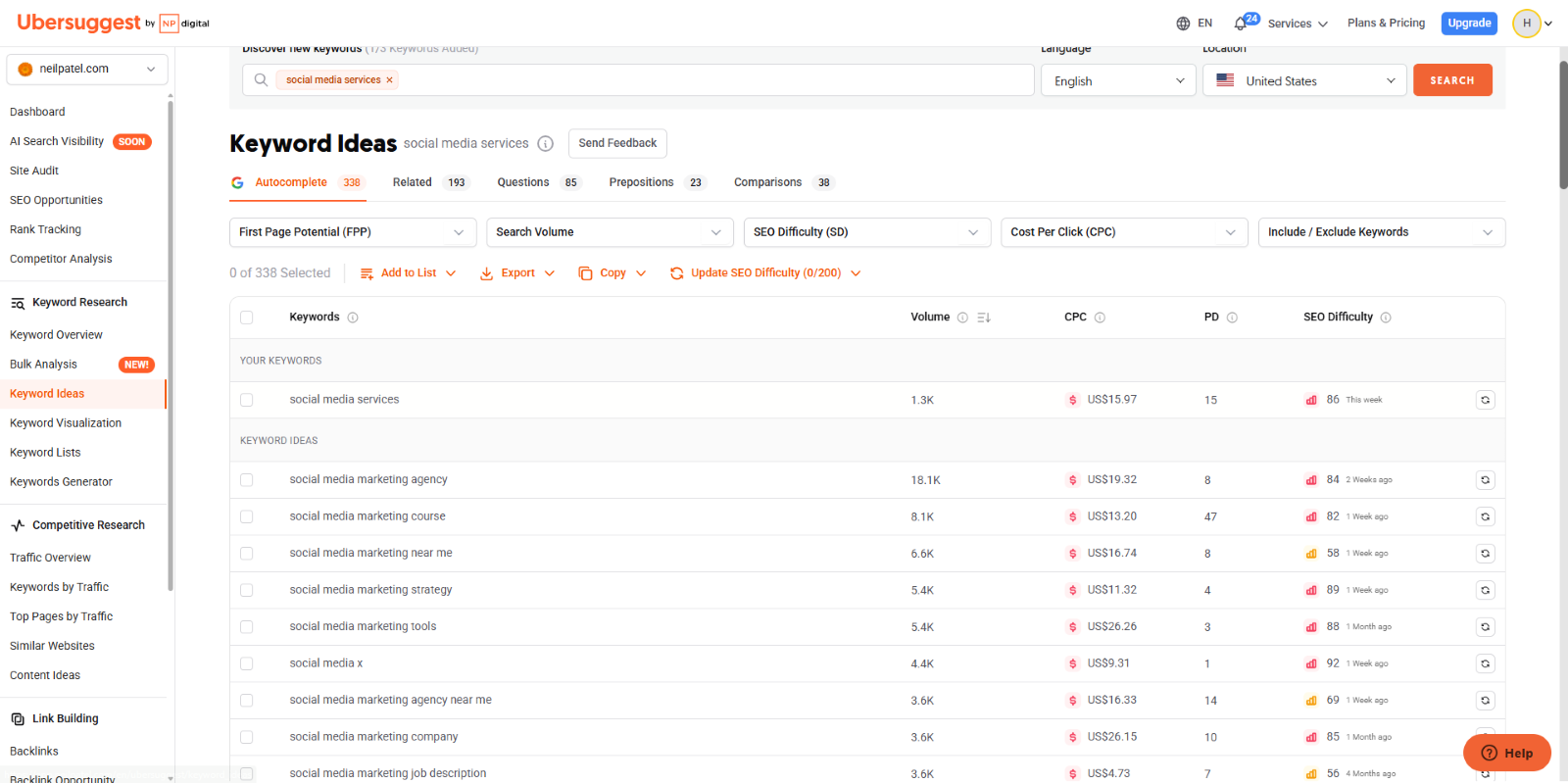
What Is SEO Difficulty?
SEO Difficulty is a score that evaluates how hard it is to rank for a specific keyword. It takes into account several factors related to the current competition in search engine results. The score is dynamic and can change over time as competitors' strategies evolve, new content is created, or backlinks are acquired.
Key Factors Affecting SEO Difficulty
Many elements play a role in determining SEO Difficulty. The following are the main ones:
- Competitor Authority: The strength of the websites that are already ranking for the keyword is crucial. High-authority sites—those with strong domain authority and trust signals—make it harder to outrank them.
- Content Quality: Google rewards content that is comprehensive, relevant, and valuable to users. The more high-quality content exists around a particular keyword, the harder it is to rank for that term.
- Backlink Profile: Backlinks are a significant ranking factor. Keywords with high difficulty often correspond to pages with a robust backlink profile, indicating that the content has been heavily referenced by authoritative sources.
- Keyword Saturation: If many pages are already targeting a specific keyword, it can become more challenging to rank higher. This is particularly true for highly competitive industries where the search results are saturated with optimized content.
- On-Page SEO Factors: Well-optimized on-page SEO, including the use of the keyword in titles, meta descriptions, headers, and within the content, can contribute to the difficulty level.
- User Experience: User engagement signals, such as dwell time, bounce rate, and CTR, can also influence rankings. Websites offering a better user experience tend to rank better, adding to the difficulty of ranking for those keywords.
How SEO Difficulty is Measured
SEO Difficulty is typically expressed as a percentage or score, with higher values indicating more competition. It is calculated by analyzing the websites currently ranking for the keyword, taking into account their domain authority, backlink profiles, content quality, and other relevant factors.
For example, a keyword with a score of 10% might be relatively easy to rank for, while a keyword with a score of 70% or higher is likely to be more competitive, requiring significant effort to rank.
How to Use SEO Difficulty in Your Strategy
- Target Low-Difficulty Keywords for Quick Wins: If you're just starting or have a new website, targeting low-difficulty keywords can provide a fast path to ranking and gaining traffic. These keywords often have less competition, meaning it's easier to create content that can rank quickly.
- Consider High-Difficulty Keywords for Long-Term Goals: High-difficulty keywords are often worth targeting in the long run, especially for established websites. They generally attract more search traffic, but ranking for these terms will require strong content, high-quality backlinks, and a comprehensive SEO strategy.
- Analyze Competitors: SEO Difficulty also helps you understand your competition. By evaluating how strong your competitors are for specific keywords, you can refine your strategy to outrank them or find niche opportunities with lower difficulty.
- Use SEO Difficulty to Prioritize Keywords: Knowing the difficulty helps you make data-driven decisions about which keywords to prioritize in your content strategy. Instead of targeting overly competitive keywords right away, focus on ones that give you the best chance of success.
While SEO Difficulty helps identify how competitive a keyword is, don’t rely on it alone. Always check the search intent behind the keyword (e.g., informational vs. transactional), analyze the top-ranking pages, and consider whether the keyword fits into a broader topical cluster on your site.
Refreshing SEO Difficulty: A Dynamic Metric
SEO Difficulty is not a static figure. It fluctuates as the search landscape evolves, so it’s essential to keep track of updates. The metric is regularly refreshed to reflect changes in competition, content quality, and other ranking factors. This ensures you're working with the most relevant and accurate data for your keyword strategy.
SEO Difficulty is an essential metric for any SEO strategy. By understanding how it works and factoring it into your keyword research, you can make more informed decisions and improve your chances of ranking higher in search engines. Whether you're focusing on low-difficulty keywords for quick wins or preparing for more competitive terms in the long run, knowing how to interpret and use SEO Difficulty can guide your content creation and optimization efforts.
Ubersuggest regularly refreshes SEO Difficulty scores based on updated domain authority, backlink data, and search trends. However, it's still helpful to manually review the current top 10 results in Google to understand what type of content is ranking and how competitive it is.
For more details on how we refresh SEO Difficulty scores, check out our article on the Refresh SEO Difficulty Feature.